pain management services

At the Pain Centre, we offer comprehensive pain management services, including diagnostics, modern interventional methods and personalised physiotherapy. Our goal is to find the cause of pain and help each patient regain their quality of life.

Time to have your own pain doctor

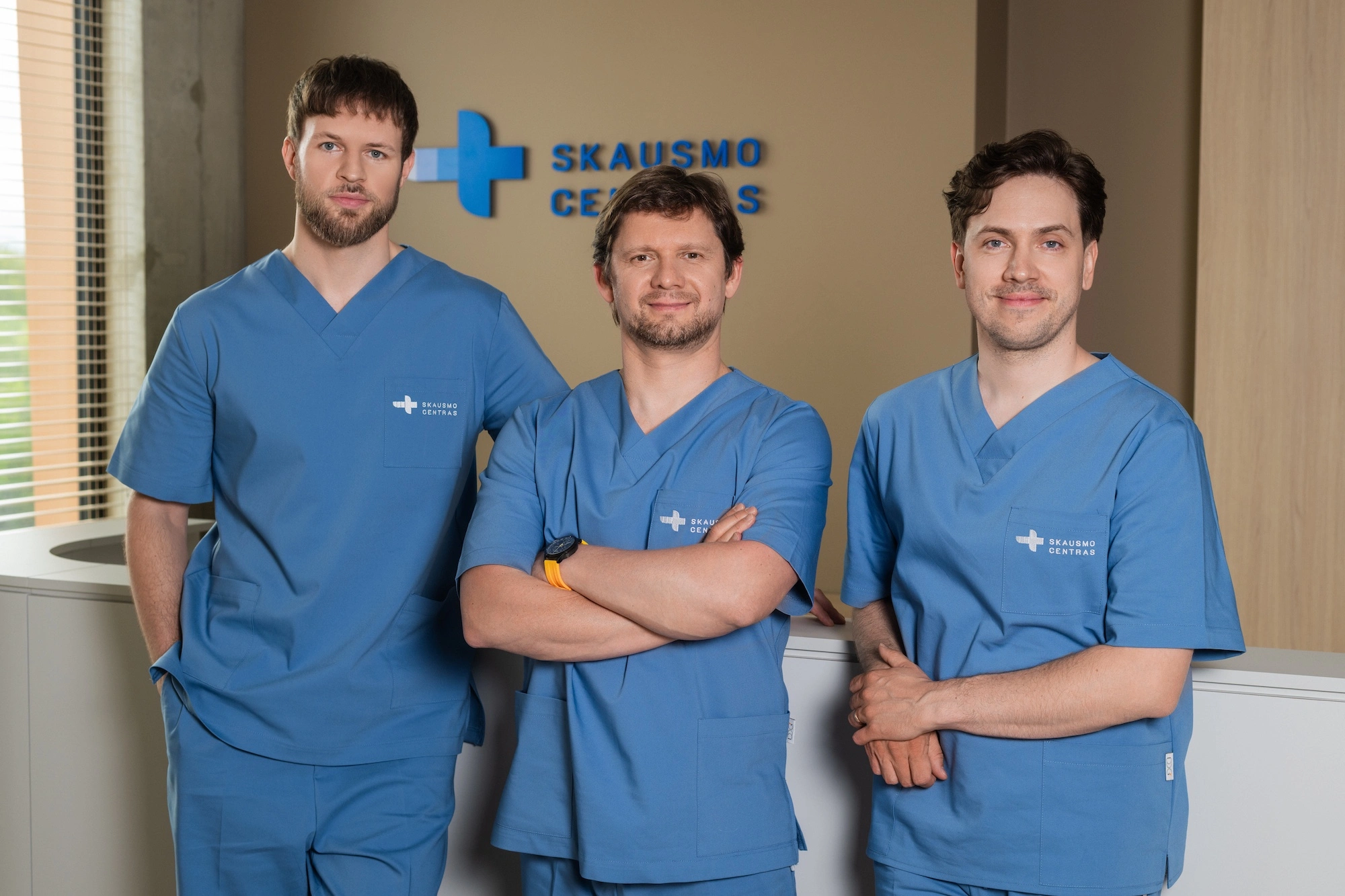
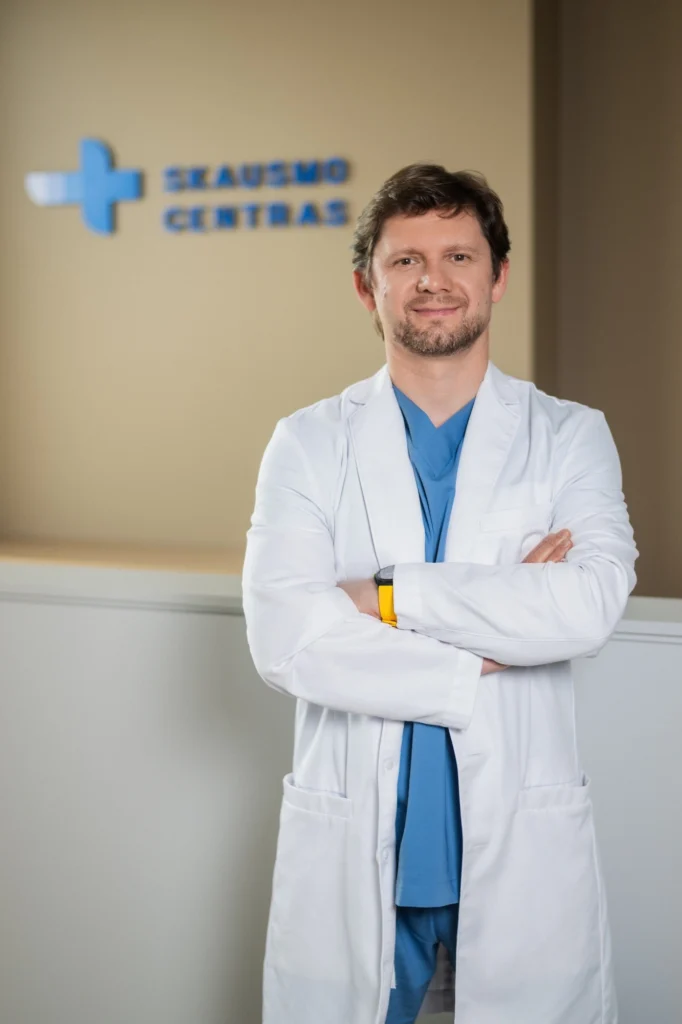
Dr Alfredas Vaitkus

Anaesthesiologist-anaesthesiologist, specialist in interventional pain management

Saulius Andruškevičius

Neurologist, specialist in interventional pain management

Dr. Mindaugas Gudelis

Sports Medicine Physician

Artūras Smirnovas

Anaesthesiologist, interventional pain management specialist

Neilas Zagorskis

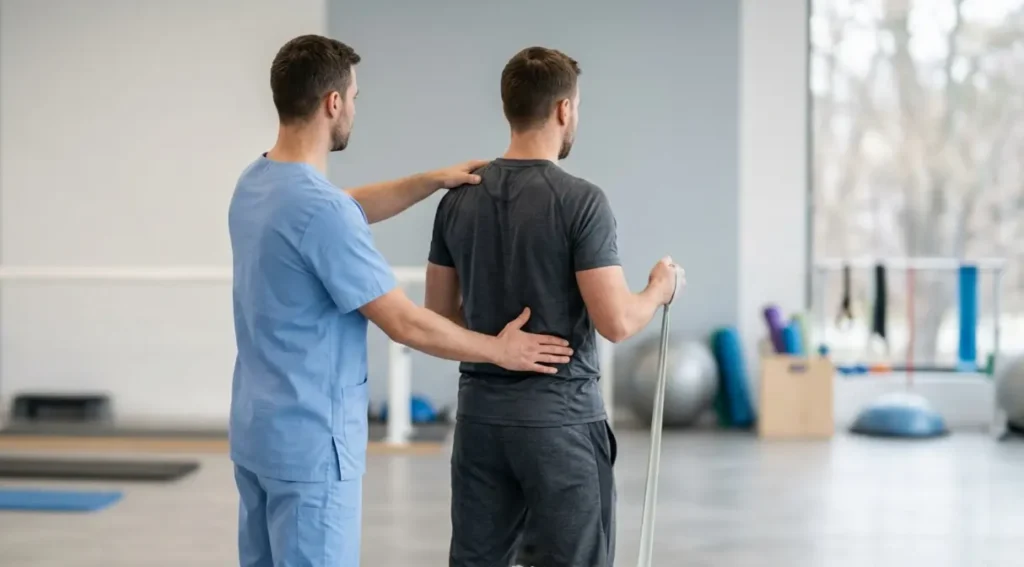
Physical Therapist, Specialist in Manual Therapy and “Dry Needling”

Why choose the Pain Centre

A clinic dedicated specifically to the treatment of pain

Our team’s expertise and focus is all focused on one goal – treating pain. From diagnosis and conservative treatment to interventional procedures and physiotherapy.

A treatment plan tailored to the individual patient

Each patient is unique, so the treatment plan is tailored to individual needs, health status and lifestyle.

Interventional and neuromodulatory treatment methods

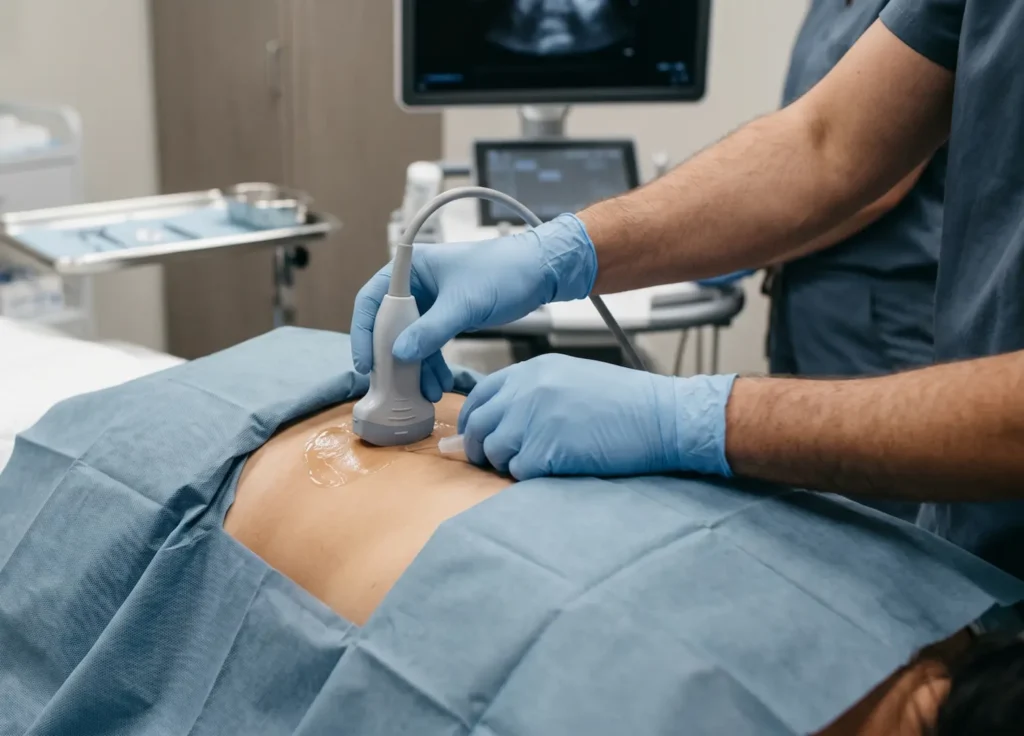
We use radiofrequency denervation, peripheral nerve stimulation, targeted injections, botulinum toxin therapy and regenerative medicine techniques – under ultrasound and X-ray control.

Experienced professionals

Our team is made up of doctors from university hospitals who are actively involved in scientific activities and international and national pain societies.

Mumis pasitiki

Patient feedback

I’ve finally managed to relieve my back pain. I am sincerely grateful for your help.
Anelė
Pačios geriausios rekomendacinos! Gydytojas Saulius Andriuškevičius puikiai padėjo esant klasteriniam galvos skausmui. Davė aiškias rekomendacijas kaip elgtis priepuolių metu, paskyrė reikiamus medikamentus. Esu labai dėkingas!
Justas

Pain should not become part of your everyday life.

Start by consulting a pain specialist

Health tips and updates

“Skausmo centras” – a new specialised pain clinic in Vilnius to open in June

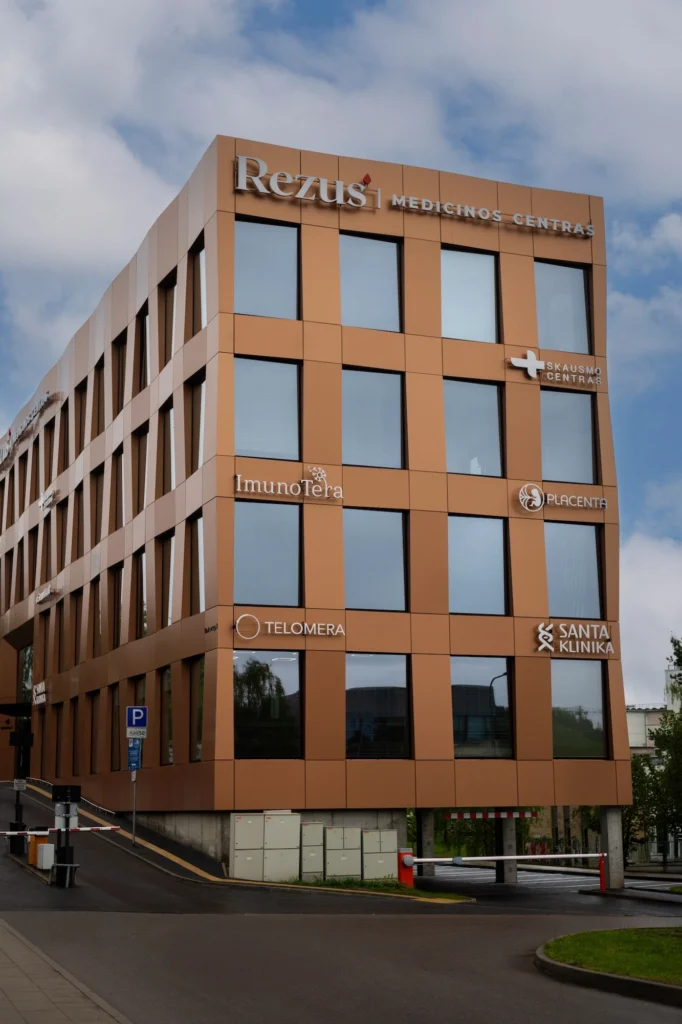
This June, the “Skausmo centras” will open its doors at Rezus Medical Centre, Santaros 5, as a …

D.U.K.

Answers to the most common questions patients ask about our clinic, services and treatment. If you can’t find an answer, please contact us directly.

It is recommended to see a pain specialist if:

  • severe pain has persisted for more than a few weeks, and a specialist, such as a neurologist or orthopaedic trauma surgeon, has identified its underlying cause.
  • painkillers prescribed by your GP or specialist doctor don’t help
  • the pain is getting worse
  • severe limitations in movement, daily activities and sleep

Our clinic treats all chronic or recurrent pain syndromes:

  • back pain
  • joint pain
  • pain caused by nerve irritation or damage
  • post-operative or post-traumatic pain
  • headache and facial pain
  • widespread or pain caused by damage to the central nervous system

For more information on the pain syndromes we treat, see Pain syndromes.

During your first consultation at our clinic:

  • a thorough assessment of the nature and history of your pain
  • review of the previously performed diagnostic tests (e.g. MRI, CT, X-ray)
  • clinical examination
  • individual treatment plan presentation to the patient
  • if indicated, interventional pain management procedures can usually be applied during the first consultation

Patients arriving by car can use the parking area next to the clinic, where parking is free for up to 2 hours. The nearby UniPark P9 multi-storey car park is also available.

The clinic is accessible by lift. A wheelchair is available for patients who require assistance with mobility.

No referral is required when visiting our clinic. However, before referring to a pain specialist, the patient’s complains should be evaluated by an appropriate medical specialist (e.g. neurologist, orthopaedic surgeon) and the cause of the pain should be identified. This is very important to avoid overlooking rarer specific diseases that require timely treatment outside the pain clinic.

Pain clinics are usually specialised in the assessment and treatment of pain, but do not diagnose the diseases that cause it.

If you have one, please bring it with you when you arrive:

  • magnetic resonance imaging (MRI) scans or descriptions
  • computed tomography (CT) scans or descriptions
  • X-rays or descriptions
  • records of previous treatment or consultations
  • a list of medicines used (for the treatment of pain and other conditions)

This information helps to make the diagnosis more accurate and faster, and to select the most appropriate treatment.

Usually, the best treatment results are achieved through a comprehensive approach to individually tailored treatment methods.

Clinic appointments may include:

  • painkillers
  • targeted injections of medicines (‘pain blocks’)
  • interventional radiofrequency or cryoneurolysis procedures
  • electrical stimulation procedures (interventional and non-interventional)
  • physiotherapy
  • adjustments to activity, posture, working environment and other lifestyle changes

It is a minimally invasive treatment technique designed to precisely and selectively target the source of pain or the nerve structures that transmit pain. Procedures are usually performed under ultrasound or X-ray control to maximise precision and safety. Interventional pain treatment is selected on an individual basis, taking into account the patient’s condition, the cause of the pain and previous treatments.

Yes, the procedures are carried out under strict safety standards, usually using ultrasound or X-ray guidance. Complications are rare.

Most procedures are minimally painful because they use local anaesthesia. Patients usually experience only short-term discomfort.

Procedures usually last about 30 minutes. Afterwards, the patient is monitored in the ward for about an hour before being discharged home.

The effect can take a few days, in some cases within 1-2 weeks. This depends on the method of treatment used and the individual body’s response.

This depends largely on the pain syndrome, individual patient factors and the type of procedure. Some interventions may have a short-term effect, while for example, after radiofrequency denervation, pain usually recurs gradually, with nerve regeneration taking 6-12 months. Effective pain treatment procedures can be repeated.

The main goal of chronic pain treatment is to reduce pain, improve function and quality of life. In some cases, pain can be eliminated completely.

Yes, especially if the underlying problem causing the pain (e.g. degeneration of the spine or joints) is not solved. Continuous patient care, pain prevention and multidisciplinary treatment are important for long-term results.

Mostly yes. It is recommended to avoid strenuous exercise the day after the procedure and to follow your doctor’s recommendations. Afterwards, you can return to your normal activities.

The cost of treatment depends on:

  • type of consultation
  • the complexity and duration of the procedure
  • technologies used

The exact price is discussed individually during the consultation.

For more information, see Prices.

All services provided by our clinic are subject to a fee.

A pain doctor specialises in assessing pain syndromes and selecting the most appropriate pain treatment methods. Some pain treatment methods are only used by interventional pain specialists.

This allows:

  • diagnosing pain syndrome more accurately
  • more effective treatment
  • reducing the need for medicines

Have questions?

Pain should not become part of your everyday life.

Regain the quality of life with our help

Pain should not become part of your everyday life.

Regain the quality of life with our help